



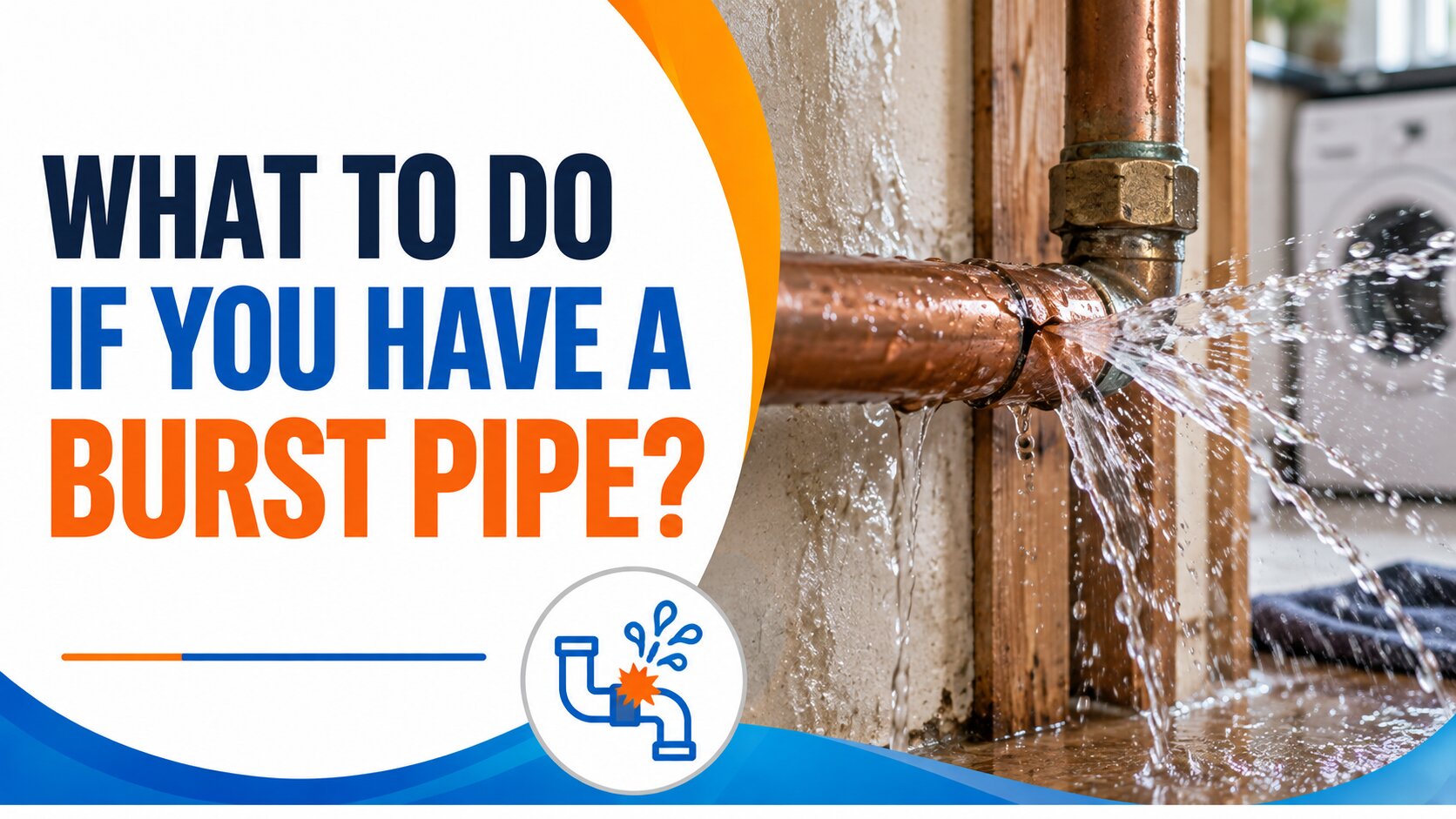
Burst pipe? What to Do Now | RCB Plumbing
A burst pipe rarely picks a convenient moment. It tends to happen on a freezing night, during a dinner party, or five minutes before you're due to leave for the airport. One minute everything's fine—the next, there's water pooling on the kitchen floor and a worrying drip coming through the ceiling.
Take a breath. Knowing what to do if you have a burst pipe can be the difference between a quick mop-up and a full-blown insurance claim. This guide walks you through exactly what to do, step by step, and when it's time to call in the professionals. We're RCB Plumbing, a family-run team based in Sutton, and we've dealt with our fair share of soggy carpets across Surrey and South London.
First things first: is everyone safe?
Before you go hunting for the leak, check that water hasn't reached anything electrical. Sockets, light fittings, and your consumer unit (the fuse box) don't mix well with water.
If water is near your electrics—or dripping through a ceiling light—don't touch anything. If it's safe to reach, switch off the electricity at the mains. If you can't get to it without wading through water, leave it and call for help instead. No repair job is worth a nasty shock.
While you're at it, keep children and pets well clear. Wet floors are slippery, and the last thing you need is a second emergency.
Step 1: Turn off the water
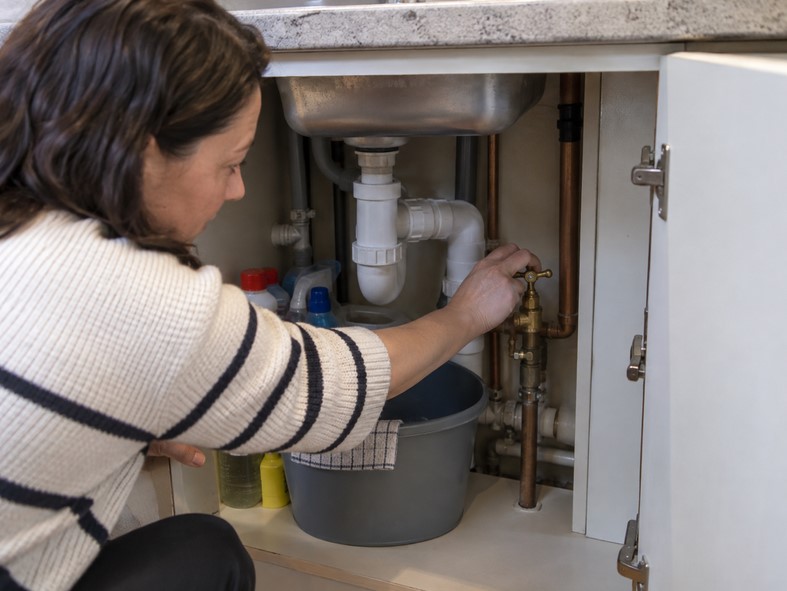
Your first real job is stopping the flow. That means finding your mains stopcock (sometimes called the stop tap).
In most homes, it's tucked under the kitchen sink. If it's not there, check the hallway cupboard, near the water meter, or in the garage or cellar. Turn it clockwise—righty-tighty—until the water stops.
If it's stiff and hasn't been touched in years, don't force it. Grip it with a cloth or a pair of gloves, apply gentle pressure, and ease it round. Snapping an old stopcock will only make things worse.
If the leak is coming from a single appliance or the loo, you might be able to use its local isolating valve instead—a small valve on the pipe that feeds it. Turn it a quarter-turn with a flat-head screwdriver.
A tip for future-you: once the drama's over, label your stopcock. You'll thank yourself next time.
Step 2: Relieve the pressure and drain the system
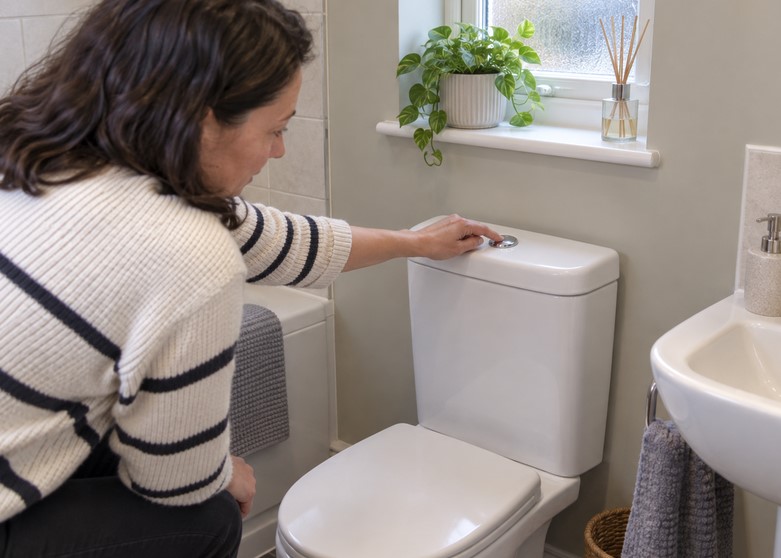
With the mains off, there's still water sitting in your pipes. Draining it stops the leak from carrying on.
Open your cold taps first, then the hot ones, to release the remaining water and ease the pressure. Flush the toilets once to empty the cisterns.
If the leak is on a central heating pipe, switch off your boiler or heating too. And whatever you do, resist the urge to keep topping up your combi boiler's pressure if there's an active leak—you'll just be feeding the problem.
Step 3: Stop the leak temporarily (only if it's safe)
Once the water's off, you've bought yourself some time. If the burst is easy to reach, a temporary fix can help contain things while you wait for a plumber.
Options include pipe repair tape, a rubber patch held in place with a jubilee clip, or a shop-bought emergency pipe clamp. Wrap it tightly around the damaged section to slow any residual drips.
A quick word of caution, though: these are sticking plasters, not cures. A temporary fix won't stand up to full water pressure for long, so proper burst pipe repair still needs to happen. Think of it as buying time, not solving the problem.
Step 4: Protect your home
Now for damage control. Move any valuables, electronics, and furniture away from the water. Lift rugs and roll back carpets if you can. Pop buckets under active drips and lay down towels to stop water spreading into other rooms.
Once the immediate mess is contained, start drying things out. Open windows for ventilation and, if you've got one, set up a dehumidifier. Damp that lingers can lead to mould, which is a much bigger headache down the line.
Before you clear everything away, grab your phone and take photos and videos of the damage. Your insurer will want evidence, and a few snaps now could save you a real hassle when you make a claim.
Step 5: Check for hidden damage
Water is sneaky. It travels along joists, pools behind plasterboard, and turns up in rooms nowhere near the original leak.
Keep an eye out for bubbling paint, damp patches on walls, sagging ceilings, or water dripping from light fittings. These are all signs that water has spread further than you think.
One important warning: if a ceiling is bulging with trapped water, don't poke it to release it. A waterlogged ceiling can collapse without much warning. Keep clear and let a professional handle it safely.
When to call a plumber
Some burst pipes you can hold at bay until morning. Others need a professional there and then. Call a plumber straight away if:
You can't shut the water off at all
The leak is on the incoming mains supply
Water is anywhere near your electrics
The pipework is hidden behind walls, under floors, or up in the loft
You've got a heating or cylinder leak you can't isolate
If you're in Surrey or South London and you'd rather not gamble with water damage, this is where we come in. If you need an emergency plumber Surrey homeowners can genuinely rely on, we offer 24/7 call-outs and prioritise urgent jobs like leaks and loss of heating. We aim to be with you fast—same-day where possible—though it does depend on availability and where you are.
What we do when we arrive
So you know what to expect, here's roughly how we tackle a burst pipe.
First, we locate the burst and isolate that section of pipework, so the rest of your home can get back to normal as soon as possible. Then we assess the pipe's condition and work out what caused it—whether that's freezing, corrosion, or a failed joint.
From there, we repair or replace the affected section, pressure-test the system, and check for any secondary leaks hiding out of sight. We'll leave everything clean and tidy, and talk you through exactly what we've done and why. No jargon, no surprises—just honest advice and clear, upfront pricing.
Why burst pipes happen (and how to avoid a repeat)
Understanding the cause helps you dodge the next one. The usual suspects include:
Frozen pipes that expand and split in cold snaps
Old copper or galvanised pipework past its best
Poorly supported pipes that rattle loose over time
High water pressure straining the joints
Dodgy DIY joints that give way
A few simple habits go a long way toward prevention:
Insulate exposed pipes and tanks, especially in lofts and garages
In extreme cold, let a tap trickle to keep water moving
Fix small leaks and drips promptly—they rarely fix themselves
Book regular maintenance checks
Know where your stopcock is before you need it
Quick checklist: what to do if you have a burst pipe
Short on time? Here's the whole thing at a glance:
Check nobody's near water and electrics—switch off the power at the mains if it's safe
Turn off the water at the mains stopcock (clockwise)
Open cold taps, then hot taps, to drain the system
Turn off the boiler or heating if the leak's on a heating pipe
Apply a temporary fix, like repair tape, if you safely can
Move valuables and contain the water with towels and buckets
Take photos and videos for your insurance
Check for hidden damage—but don't poke a bulging ceiling
Call a professional for proper burst pipe repair
Frequently asked questions
What should I do first if I have a burst pipe?
Turn off your water at the mains stopcock, usually found under the kitchen sink. But if water is near any electrics, deal with that first by switching off the power at the mains—only if it's safe to reach.
Where is my stopcock and what if it won't turn?
It's most often under the kitchen sink, or near the water meter, hallway cupboard, or garage. If it's stiff, don't force it. Use a cloth for grip and apply gentle, steady pressure. If it won't budge, give us a ring rather than risk snapping it.
Should I turn off the electricity if there's a leak?
If water is near sockets, light fittings, or your fuse box, yes—switch it off at the mains, but only if you can do so safely and without touching water. If you can't reach it safely, leave it and call for help.
Can I temporarily fix a burst pipe myself?
You can slow a leak with pipe repair tape, a rubber patch and jubilee clip, or an emergency clamp. Just remember these are short-term measures. They won't hold under full pressure, so you'll still need a proper repair.
How much does burst pipe repair usually cost in Surrey?
It depends on where the pipe is, how bad the damage is, and whether any pipework needs replacing. A minor, accessible fix costs far less than a hidden pipe under a floor. We always give clear, upfront pricing before we start, so you'll never be caught out.
Will a burst pipe affect my boiler or central heating?
It can. If the burst is on a heating pipe, switch off your boiler and avoid topping up the pressure while the leak's active. We'll check your system over as part of the repair.
Do you offer a 24/7 emergency plumber Surrey service?
Yes. We're a local, family-run team covering Sutton, Carshalton, Epsom and the wider Surrey and South London area. We prioritise urgent issues like leaks and loss of heating, with same-day appointments where possible.
Don't let a small drip become a big problem
A burst pipe is stressful, but acting quickly keeps the damage—and the cost—down. Shut off the water, protect your home, and get a professional on the case as soon as you can.
If you're anywhere in Surrey or South London and need a hand, we're here around the clock. Call RCB Plumbing for fast, friendly, no-nonsense help. You can also request a callback or book online through our website. Local engineers, honest advice, and clear pricing—no surprises, just sorted.


