



5 Common Causes of Low Water Pressure in Your Home
Quick answer: Low water pressure in a house is usually caused by one of five things: a partly closed stopcock, blocked aerators or showerheads, a hidden leak, a mains supply issue, or an internal restriction such as a faulty pressure reducing valve (PRV) or old pipework. Most can be diagnosed in minutes—some you can fix yourself, others need a plumber.
You turn on the kitchen tap and out comes a trickle. Your shower, once a glorious morning ritual, now delivers all the power of a watering can. Sound familiar? You're not alone—low water pressure in the house is one of the most common complaints we hear from homeowners across Sutton, Surrey, and South London.
The good news is that many of the causes of low water pressure are straightforward to identify, and some are genuinely easy to fix yourself. Others need a professional—but knowing which is which could save you hours of frustrated Googling.
This guide walks you through the five most common culprits, what to look for, and when it's time to pick up the phone.
First, a quick check: is it one tap or the whole house?
Before diving into causes, spend two minutes running through this:
Test multiple taps. Run the kitchen cold, then the bathroom cold. Still low everywhere? That points to a system-wide issue.
Compare hot vs. cold. If cold pressure is fine but hot is weak, you may have a hot water system problem rather than a general pressure issue (more on that below).
Ask a neighbour. If they're also struggling, the issue could be with the mains supply—not your property at all.
One fixture affected
Likely a localised issue: a blocked aerator, a kinked flexi-hose, or an isolating valve that didn't get fully reopened after work.
Multiple fixtures affected
More likely to be system-wide: a partly closed stopcock, a leak, a PRV fault, or a mains supply problem.
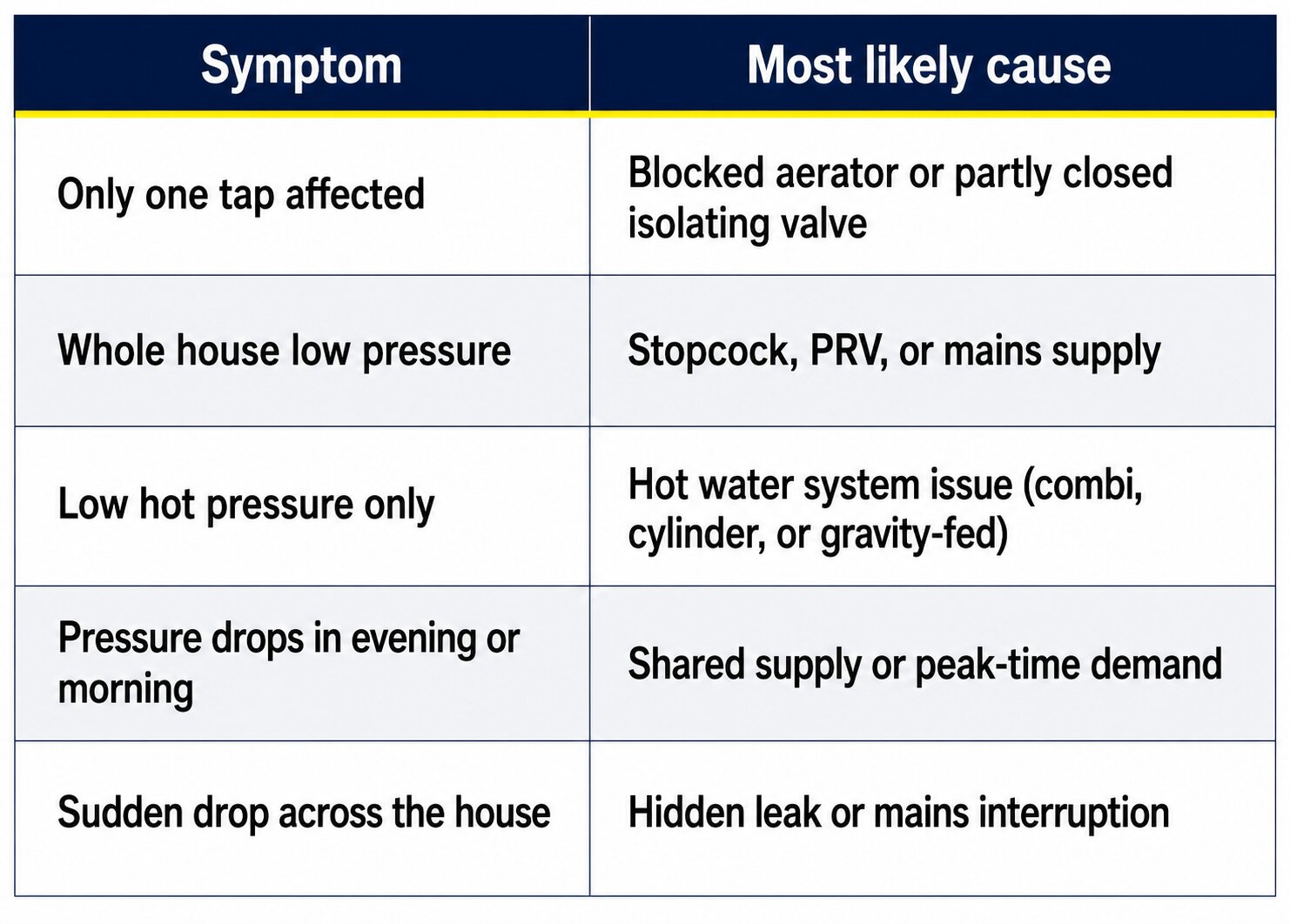
Symptom-to-likely-cause at a glance:
Cause 1: Partly closed stopcock or isolation valves
This is hands-down one of the most common causes of low water pressure we come across—and one of the easiest to overlook.
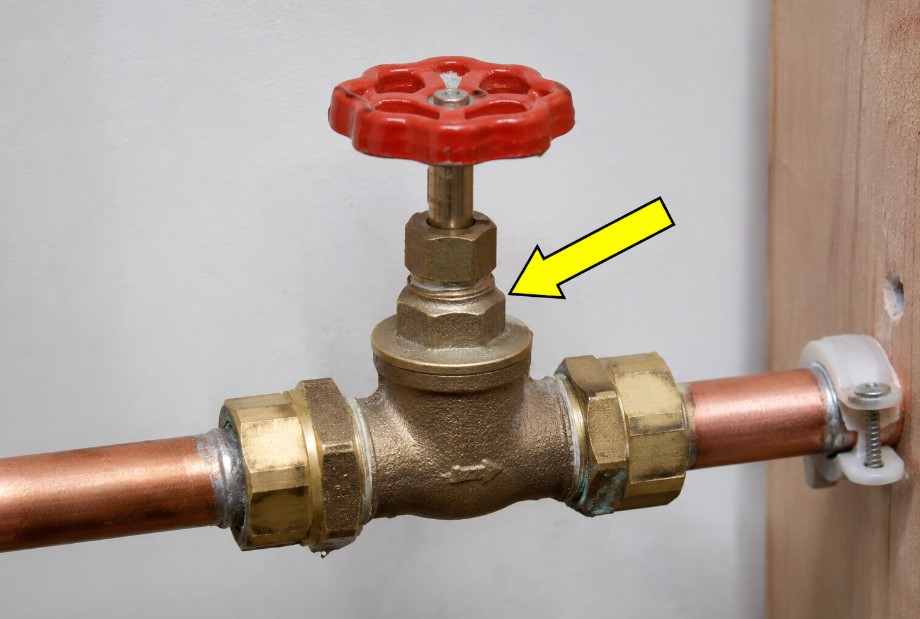
Your internal stopcock or main water valve may be partially closed, which restricts the flow of water into your home. It's usually found under the kitchen sink, in a utility cupboard, or near the front door. The water meter valve outside can also be partially closed and restrict flow into the property.
What to check:
Find your internal stop valve and make sure it's fully open. With a lever-style (ball) valve, the handle should sit parallel to the pipe. With an older gate valve, turn it anticlockwise until it won't move, then back a quarter-turn.
Also check any isolating valves under sinks or behind toilets if only one fixture is affected.
Don't force it if the valve is stiff or hasn't moved in years. Old stopcocks can crack or seize, and that's a job for a plumber. We can replace or service them cleanly without turning your kitchen into a paddling pool.
If the valve is broken or the pressure suddenly collapsed, call a plumber immediately rather than trying to free it.
Cause 2: Blocked tap aerators or showerheads (limescale and debris)
If low pressure is isolated to a specific tap or shower, the fix might be as simple as a vinegar soak.
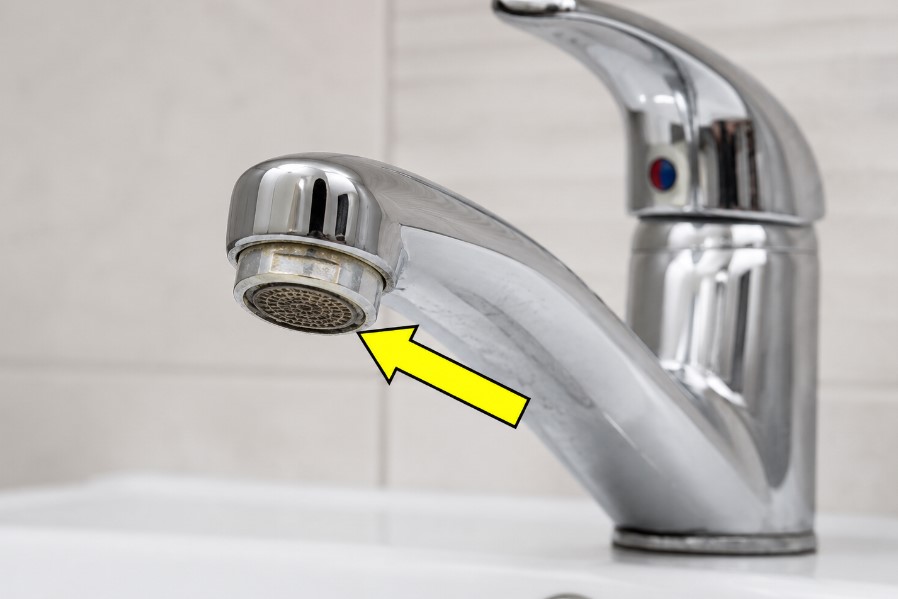
In many parts of Surrey and South London, the water is notably hard, which means limescale and mineral buildup can build up over time inside fittings, aerators, and showerheads. That deposit from hard water can restrict water flow and lead to low water pressure until your once-powerful shower becomes a disappointing dribble.
What to check and do:
Unscrew the aerator from the end of the tap (usually hand-tight). Rinse it under running water—if it's caked in scale, soak it in white vinegar for an hour or two, then rinse again.
For showerheads, either remove and soak the head in vinegar, or fill a bag with vinegar, tie it around the head, and leave it overnight, as cleaning showerheads can improve water pressure by removing limescale.
If the aerator is badly corroded or crumbling, replace it—they cost pennies and take minutes to swap.
When to call us: If debris keeps returning shortly after cleaning, that could point to scale or corrosion deeper inside the water pipes, not just at the fitting—something we'd want to investigate properly.
Cause 3: Hidden leaks or failing pipework
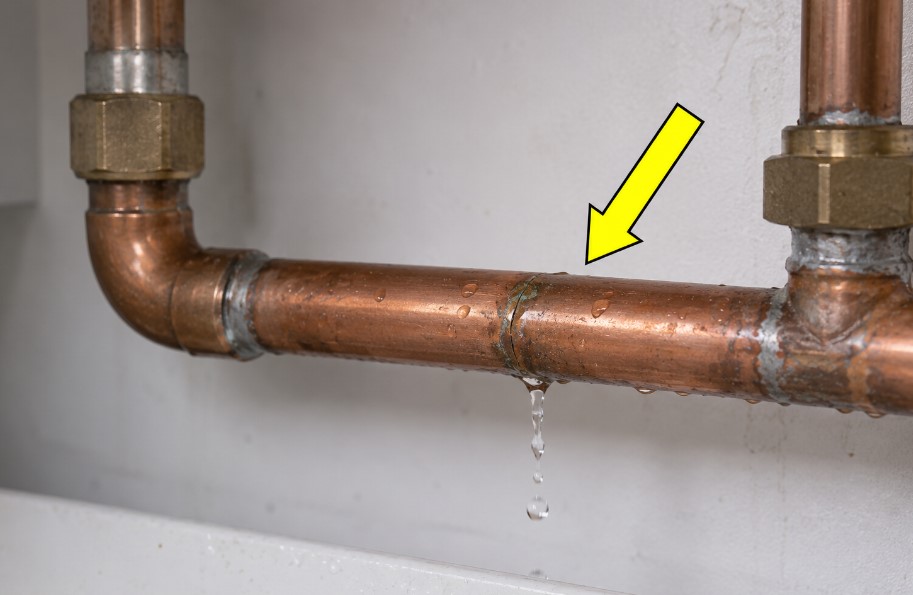
A leak you can't see can quietly rob your home of pressure. Leaking pipes or leaky pipes behind walls or under floors divert water away from fixtures, causing low water pressure before you spot any obvious damage.
Red flags to watch for:
Damp patches on walls, ceilings, or floors with no obvious explanation
A musty or mouldy smell in rooms that should be dry
Warped skirting boards or bubbling paint
Your boiler pressure gauge dropping repeatedly (on a sealed system)
How to do a basic water meter leak test:
Turn off every tap, appliance, and water-using device in the house.
Find your water meter (usually under a cover near your front boundary).
Note the reading, wait 30 minutes without using any water, then check again.
If the numbers have moved, there's likely a leak somewhere on your property.
There may be more than one leak, so finding one issue doesn't always explain all the pressure loss.
Don't ignore this one. Hidden leaks cause structural damage, and leaking water pipes can also lead to water damage and mould, all of which tend to get worse the longer they're left. We can pressure-test your system, trace the source, and fix it properly, and a severe sudden drop may point to a burst pipe.
Cause 4: Issues with the mains supply or shared supply pipes
Sometimes the problem isn't inside your home at all.
Water companies carry out maintenance works, deal with burst mains, and manage high-demand periods—all of which can temporarily reduce pressure in your area. Older properties and converted flats in particular may share a single water line serving multiple households, meaning neighbours' water usage can cause water pressure drops at busy times, especially when the first tap or appliance opened takes most of the available flow rate.
What to check:
If the issue is on the supplier side, contact the water company and sit tight while service is restored.
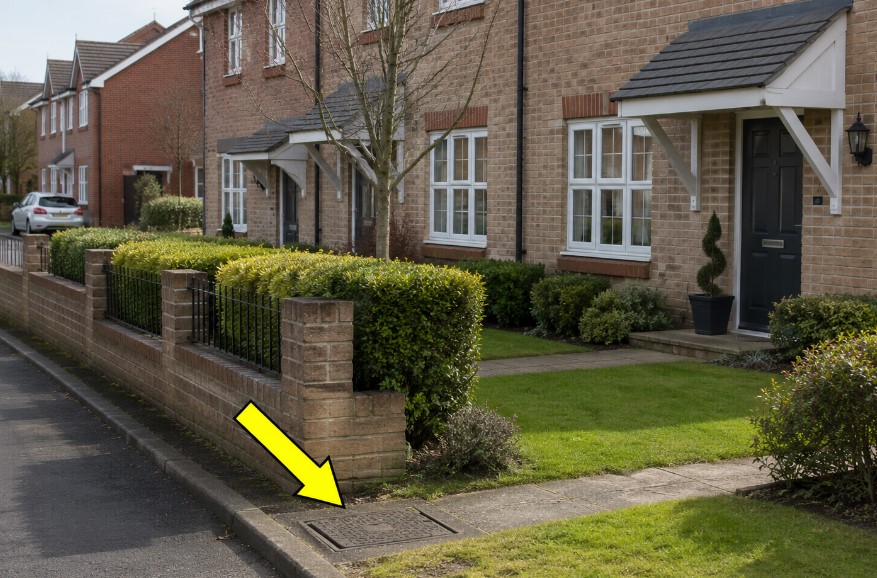
Check if the external stop tap (usually in a small covered box in the pavement outside your property) is fully open—though this is technically the water company's equipment, so call them if it needs adjusting.
If neighbours are experiencing the same issues, report it to your supplier as a shared problem.
When to call us: If your neighbours are fine but your pressure is consistently poor, there may be an internal restriction or supply issue specific to your property. If the shared supply setup is the cause, a plumber may recommend upgrades to the incoming water line or have a plumber replace the affected section. We'll help you get to the bottom of it.
Cause 5: Pressure regulation or internal restrictions (PRV, old pipework, scale)
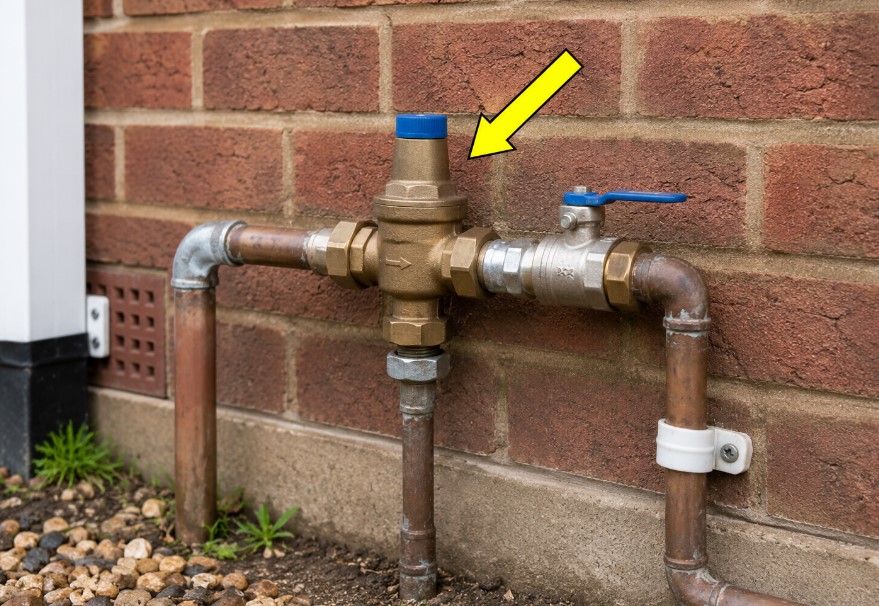
Some homes—particularly those on high-pressure mains supplies—have a pressure reducing valve (PRV), or pressure regulator, fitted to protect the plumbing system. If a PRV is set too low, becomes partially blocked, or starts to fail, it can cause a frustrating drop in pressure throughout the house.
Beyond the PRV, older galvanised steel pipework (common in properties built before the 1980s) corrodes from the inside over time, and corroded pipes or clogged pipes restrict flow even further; iron pipes are especially vulnerable to rust and clogs. Undersized pipework—where branch lines simply aren't big enough for modern water demand—can cause similar problems. In older houses, ageing pipework is common, while copper pipes and brass pipes are generally more durable than old galvanised or iron lines.
Signs this might be your issue:
Pressure is low throughout the house with no obvious cause
The property is older with original pipework
A plumber or builder recently mentioned ageing pipework
Adjusting or replacing a PRV, or re-piping sections of your home, isn't really DIY territory. We'll assess the system, give you clear, upfront pricing with no hidden fees before any work starts, and do the job properly rather than just masking the problem—the kind of work often needed to fix low water pressure across the whole property or improve pressure in your house.
When low pressure is actually a hot water system problem
If your cold pressure is fine but hot pressure is noticeably weaker, the issue may lie with your hot water system rather than your supply.
Combi boilers can suffer from scale buildup, faulty components, low system pressure, or sediment accumulation in hot water parts, which can reduce hot water pressure.
Unvented cylinders operate under mains pressure and can develop issues with pressure reducing valves, expansion vessels, or check valves. These are specialist systems—please don't attempt DIY fixes on an unvented cylinder. It's a job for a qualified engineer.
Gravity-fed systems (a gravity fed water system with a cold water tank in the loft) are inherently lower pressure, but if it's recently got worse, the tank float valve or pipework may need attention; if only the shower needs help, a shower pump may be suitable.
That kind of upgrade boosts pressure for showers only, while whole-home boosting is handled elsewhere by a booster pump.
Give us a call if you're unsure what type of system you have—we're happy to talk it through.
Quick "do this now" checklist
Before calling anyone out, run through these:
✅ Compare hot and cold pressure at multiple taps
✅ Check your stopcock is fully open
✅ Unscrew and clean the aerator on any affected tap
✅ Descale your showerhead
✅ Run the water meter leak test
✅ Ask a neighbour if they're affected too
✅ Check with your water supplier for known local issues
✅ Call RCB Plumbing if it's still not sorted
Frequently asked questions
What are the most common causes of low water pressure in a house?
The most common causes are a partly closed stopcock or isolating valve, limescale buildup in plumbing fixtures such as aerators or showerheads, a hidden leak, issues with the mains or shared supply, and internal restrictions such as a faulty PRV or corroded pipework. Most can be identified with a few simple checks before calling a plumber. More broadly, water pressure issues can stem from anything that restricts water flow, from valves to pipe corrosion.
Why is my shower pressure low but my taps are fine?
This is almost always a localised issue. The most likely cause is limescale blocking the showerhead or the shower's internal valve. Remove and soak the showerhead in white vinegar overnight. If that doesn't resolve it, the shower cartridge or isolating valve may need attention.
Why is my cold water pressure fine but hot is weak?
When cold is strong but hot is noticeably weaker, the issue usually sits within the hot water system itself—whether that's a combi boiler, an unvented cylinder, or a gravity-fed tank. Each has different potential causes, and an unvented system in particular should only be worked on by a qualified engineer.
Can a partly closed stopcock cause low water pressure throughout the whole house?
Yes—and it's one of the first things we'd check. If the internal stopcock isn't fully open, the water supply to every tap, shower, and appliance in the house is restricted. It's an easy fix when the valve is in good condition, but a seized or cracked stopcock needs professional attention.
How do I know if low water pressure is caused by a leak?
The quickest way is a water meter test. Turn off every tap and water-using appliance, note your meter reading, wait 30 minutes, then check again. If the meter has moved, there's likely a leak on your property. Other signs include unexplained damp patches, mould, warped flooring, and a boiler pressure gauge that keeps dropping.
Is low water pressure worse at certain times of day?
It can be. If your property shares a supply pipe with neighbouring homes, you may notice weaker pressure during peak times—typically mornings and early evenings when demand is highest. Contacting your water supplier or having a plumber assess whether a dedicated supply is feasible can help.
Will a new showerhead fix low pressure?
It might, yes—particularly if your current one is heavily scaled. A low-flow showerhead with a built-in pressure compensator can also give the impression of better pressure. That said, if the root cause is a system-wide pressure issue, swapping the showerhead is only a temporary improvement.
When should I call a plumber in Surrey for low water pressure?
Call a plumber if: the pressure is low throughout the whole house and you can't identify an obvious cause; you suspect a hidden leak; the stopcock appears seized or damaged; you have an unvented hot water cylinder; or you've tried the basic checks and nothing's improved.
A plumber can take pressure readings with a water pressure gauge or test gauge, often from an outdoor hose spigot, to confirm whether water pressure low is affecting the whole property or only certain fixtures. Water pressure is measured in bars or pounds per square inch, and a good level is usually around 3 to 5.5 bars or roughly 45 to 80 pounds per square inch; one bar pushes water about 10 metres high. If testing shows a whole-house problem, booster pumps can increase water pressure and flow throughout the home, though some setups also need a break tank to comply with UK water regulations.
At RCB Plumbing, we cover Sutton, Surrey, and South London, offer same-day appointments where possible, and provide clear, upfront pricing before any work begins.
Still getting a trickle? We can help
You've worked through the checklist and it's still not right. That's where we come in.
At RCB Plumbing, we've diagnosed and fixed low water pressure problems across Sutton, Surrey, and South London—from seized stopcocks to corroded pipework to failed PRVs. We'll get to the bottom of it, explain what we've found in plain English, and give you honest pricing before we touch anything.
Call us or head to our contact page to request a callback or book an appointment. We aim to respond fast and offer same-day visits where possible—because nobody should have to put up with a sad shower longer than necessary.


